This page is reflective wellbeing writing, not therapy, diagnosis, treatment, crisis support, or medical advice. Use it as a gentle page to read, and use qualified support for persistent, severe, unsafe, or health-related concerns.
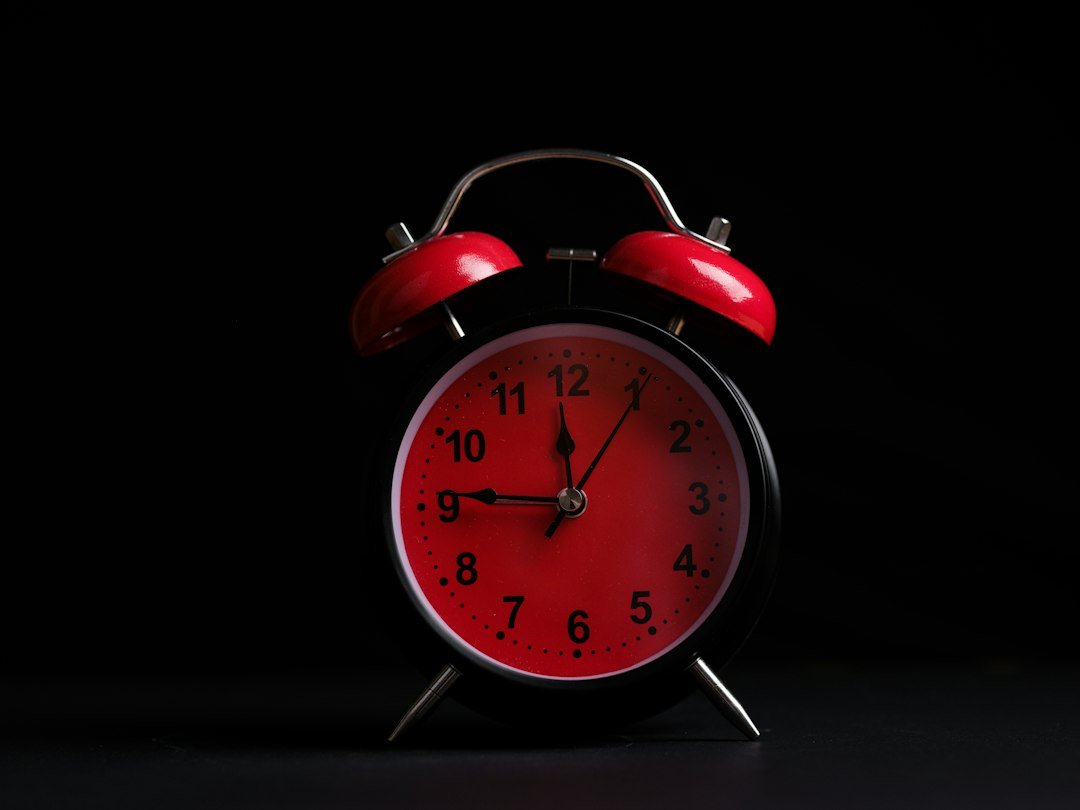
You check the time, calculate what remains, and feel the night narrow. The clock turns from information into a running score of how badly tomorrow might go.
Treat the night thought as a visitor, not a final report.
The softer frame
Maybe this is information, not proof that you are failing.
Sleep cannot be commanded by better arithmetic. Repeatedly measuring the remaining night can add alertness to an already wakeful body. Rest can still count even before sleep arrives.
The point is not to win an argument with the feeling. It is to stop letting the feeling write the whole evening in permanent ink. A gentler frame gives you room to notice what happened without turning it into a verdict about your character.
The one small move
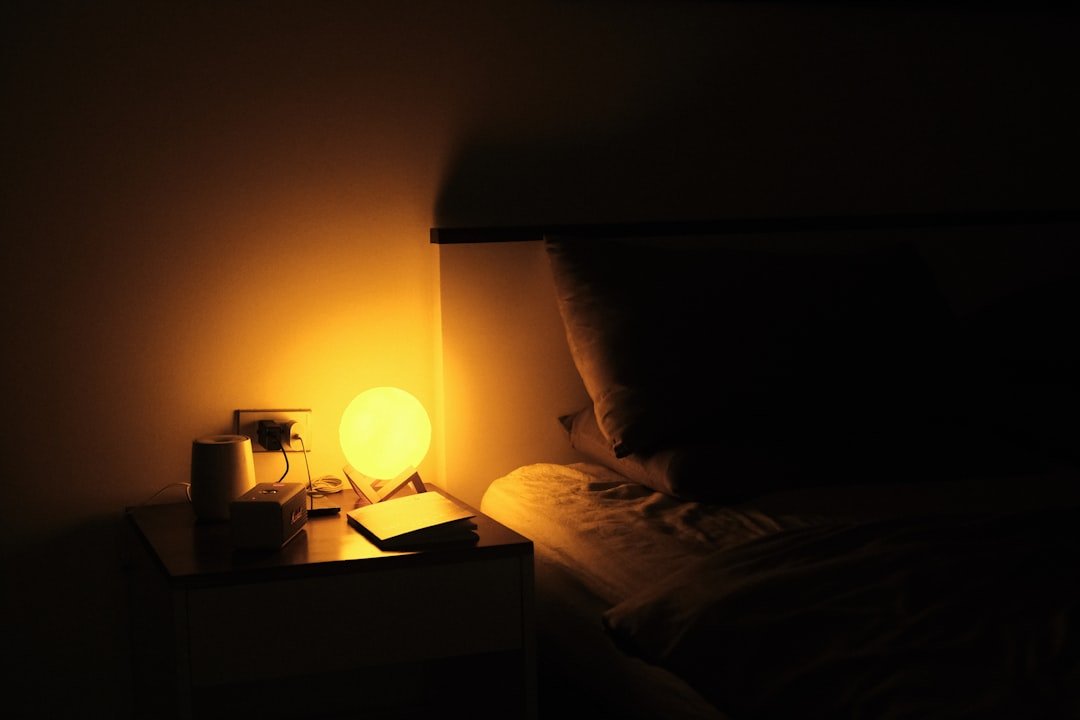
Turn the clock away and choose one low-stimulation form of rest
You do not have to make sleep happen in order to stop grading the night
See this moment clearly
A few details worth noticing before you decide what it means.
Clock checks can create a loop: the number produces fear, fear increases alertness, and alertness makes the next check feel necessary. Interrupting the measurement can soften the loop even when sleep is not immediate.
Use a familiar, low-light activity only if lying awake becomes tense. The goal is not entertainment or productivity; it is reducing the struggle around being awake.
Tomorrow may need a kinder plan after a short night. Decide that in the morning with real information, not at 2 a.m. while imagining every demand at once.
Persistent insomnia, breathing problems, severe distress, or major daytime impairment deserve qualified medical support. A reflective page can reduce self-blame, but it cannot assess or treat a sleep condition.
Try tonight
A version that does not need a new personality.
- Move the time display out of direct view.
- Release the next calculation when it starts.
- Choose quiet rest that does not become a second task.
What it does not have to mean
Do not let a tired moment explain your whole life.
- Wakefulness is not a moral failure.
- Tomorrow is not already ruined.
- You do not need to chase sleep with more effort.
Before the evening closes
Let the next step stay proportionate to the moment.
For this page, the useful experiment is specific: turn the clock away and choose one low-stimulation form of rest. Try it as a small observation rather than a test of whether you can finally manage the feeling correctly. Notice what changes in the room, the body, or the next decision, and also notice what does not change. A gentle move can be worthwhile without producing a dramatic emotional shift.
Give the experiment a stopping point. Once the small action is complete, resist turning it into a larger repair project or searching for proof that it worked. The evening is allowed to remain partly unresolved. You are gathering one piece of information about what supports you, not building a rule that every future version of you must follow.
Keep this permission nearby: you do not have to make sleep happen in order to stop grading the night. It can sit beside the unfinished feeling without cancelling it. If the situation looks different tomorrow, you can choose a different response with the information and capacity you have then.
A small question
What would rest look like if I stopped using the clock as a report card?
Answer it in one sentence if you want. If the sentence becomes an essay, let it. If it stays blank, that is also information. The blank page is not a performance review.
Health boundary
When a page is not enough
If this feeling is persistent, severe, connected to panic, trauma, self-harm thoughts, unsafe relationships, substance use, or it changes your ability to sleep, work, eat, or care for yourself, use qualified support. This page can keep you company, but it cannot replace professional care.