This page is reflective wellbeing writing, not therapy, diagnosis, treatment, crisis support, or medical advice. Use it as a gentle page to read, and use qualified support for persistent, severe, unsafe, or health-related concerns.
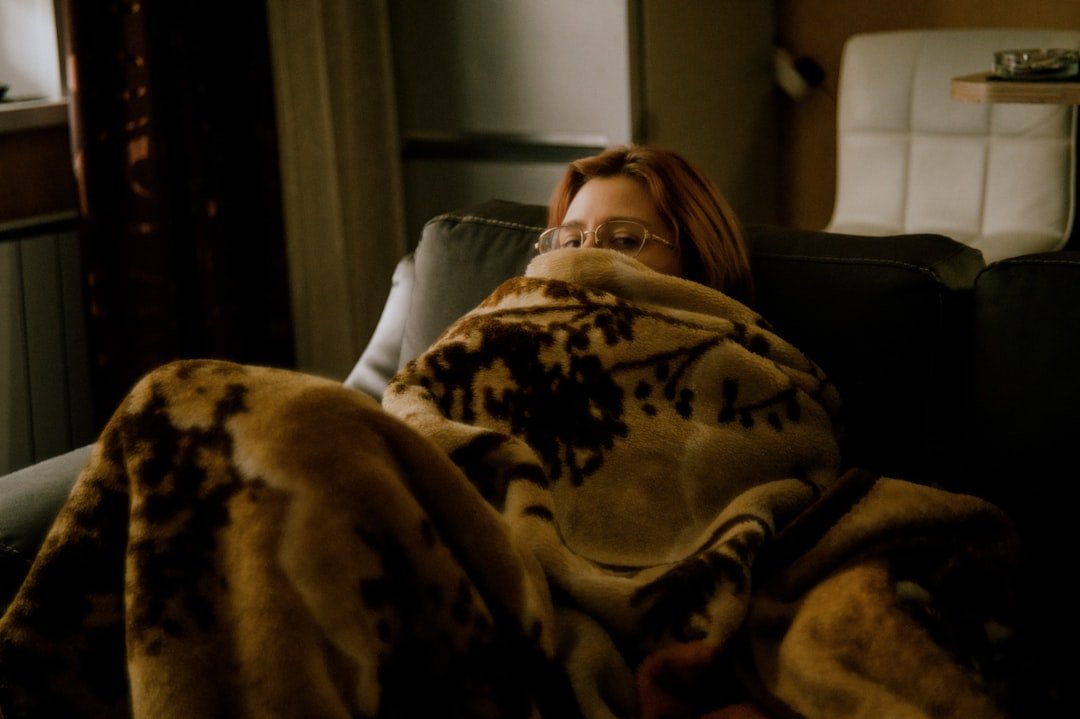
You have been on the sofa for an hour, yet your jaw is tight, your attention is jumping, and the break feels strangely exhausting. Technically you stopped; internally you never arrived.
Sometimes the mood is a message from the body, not a moral diagnosis.
The softer frame
Maybe this is information, not proof that you are failing.
Stillness and rest are not identical. Scrolling, monitoring messages, or bracing through noise can keep the body alert even while it is physically inactive.
The point is not to win an argument with the feeling. It is to stop letting the feeling write the whole evening in permanent ink. A gentler frame gives you room to notice what happened without turning it into a verdict about your character.
The one small move
Change one signal of alertness and let rest become more deliberate for ten minutes
You can adjust the kind of rest instead of blaming yourself for doing it badly
See this moment clearly
A few details worth noticing before you decide what it means.
Ask what the break contains. News, rapid video, work messages, and repeated checking may provide distraction while still asking the nervous system to process new information.
Some bodies settle through gentle movement before stillness. A slow walk around the room, stretching within comfort, or changing posture may be more restorative than demanding immediate quiet.
Rest can also need permission from the environment: a closed door, a stated pause, or one task written down so the mind does not keep rehearsing it.
Persistent agitation, inability to rest, major sleep change, or severe distress can have many causes. Qualified support is more appropriate than trying to optimize a relaxation routine alone.
Try tonight
A version that does not need a new personality.
- Place the phone beyond automatic reach.
- Release one area of held tension without forcing relaxation.
- Choose sound, silence, warmth, or movement based on what the body is asking.
What it does not have to mean
Do not let a tired moment explain your whole life.
- Rest does not have one correct appearance.
- Restlessness is not proof you wasted the break.
- You do not need to become completely calm for ten minutes to help.
Before the evening closes
Let the next step stay proportionate to the moment.
For this page, the useful experiment is specific: change one signal of alertness and let rest become more deliberate for ten minutes. Try it as a small observation rather than a test of whether you can finally manage the feeling correctly. Notice what changes in the room, the body, or the next decision, and also notice what does not change. A gentle move can be worthwhile without producing a dramatic emotional shift.
Give the experiment a stopping point. Once the small action is complete, resist turning it into a larger repair project or searching for proof that it worked. The evening is allowed to remain partly unresolved. You are gathering one piece of information about what supports you, not building a rule that every future version of you must follow.
Keep this permission nearby: you can adjust the kind of rest instead of blaming yourself for doing it badly. It can sit beside the unfinished feeling without cancelling it. If the situation looks different tomorrow, you can choose a different response with the information and capacity you have then.
A small question
What is my body still monitoring while I am supposedly resting?
Answer it in one sentence if you want. If the sentence becomes an essay, let it. If it stays blank, that is also information. The blank page is not a performance review.
Health boundary
When a page is not enough
If this feeling is persistent, severe, connected to panic, trauma, self-harm thoughts, unsafe relationships, substance use, or it changes your ability to sleep, work, eat, or care for yourself, use qualified support. This page can keep you company, but it cannot replace professional care.