This page is reflective wellbeing writing, not therapy, diagnosis, treatment, crisis support, or medical advice. Use it as a gentle page to read, and use qualified support for persistent, severe, unsafe, or health-related concerns.
You are hungry enough to feel worse but too tired to turn ingredients into a proper meal. Every option seems to come with preparation, dishes, or a judgment about what dinner should be.
A low-energy day needs a smaller doorway, not a harsher speech.
The softer frame
Maybe this is information, not proof that you are failing.
Food can be assembled instead of performed. The immediate goal is a workable eating moment within your needs, access, and medical guidance, not an idealized dinner.
The point is not to win an argument with the feeling. It is to stop letting the feeling write the whole evening in permanent ink. A gentler frame gives you room to notice what happened without turning it into a verdict about your character.
The one small move
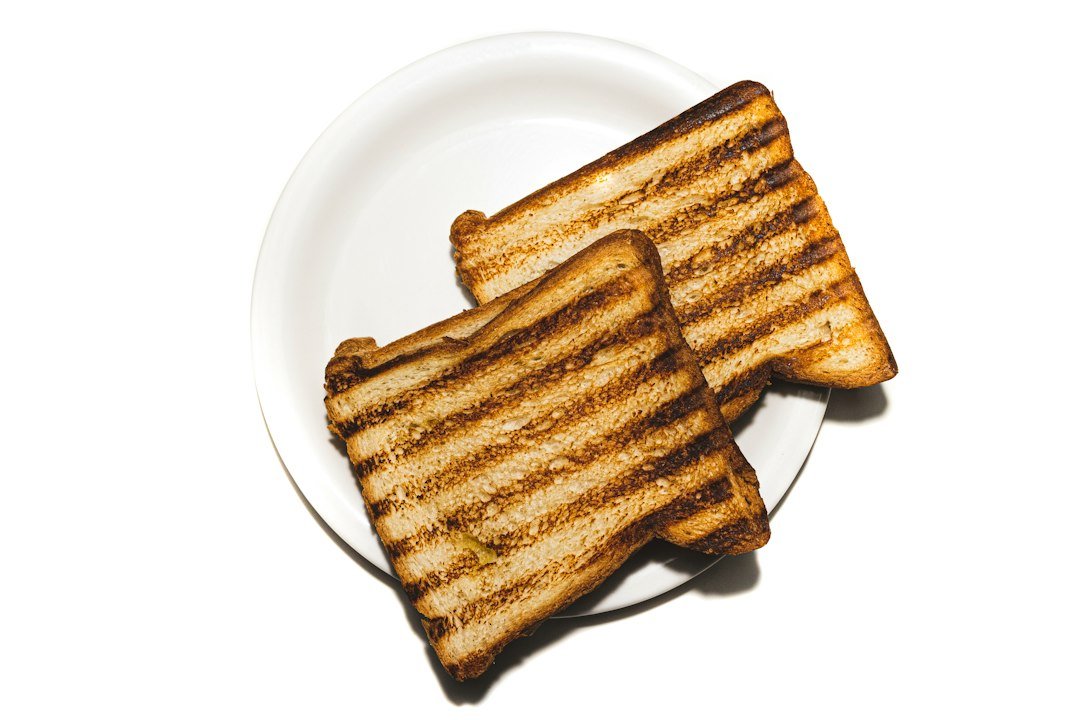
Build the easiest safe plate from ready, familiar parts and reduce cleanup before you begin
Convenience can be a form of care when capacity is the real constraint
See this moment clearly
A few details worth noticing before you decide what it means.
Separate nourishment from culinary ambition. A simple combination of familiar foods can be more supportive than delaying food while searching for the ideal meal.
Reduce future friction while choosing: select items whose packaging, heating, and cleanup are manageable tonight. The food you can actually prepare is more useful than an aspirational ingredient.
Keep health needs individual. Allergies, diabetes, swallowing concerns, eating disorders, medication interactions, and other medical needs require personal guidance, not a general list from a lifestyle page.
After eating, notice whether the room or mood changes before making a judgment about the whole evening. Hunger can speak in the voice of irritability, hopelessness, or urgency.
Try tonight
A version that does not need a new personality.
- Start with a familiar ready-to-eat or quick item.
- Add one easy component only if it helps.
- Use the smallest practical number of dishes.
What it does not have to mean
Do not let a tired moment explain your whole life.
- Dinner does not need to look complete to count.
- Convenience is not a character flaw.
- One low-capacity meal does not define your overall care.
Before the evening closes
Let the next step stay proportionate to the moment.
For this page, the useful experiment is specific: build the easiest safe plate from ready, familiar parts and reduce cleanup before you begin. Try it as a small observation rather than a test of whether you can finally manage the feeling correctly. Notice what changes in the room, the body, or the next decision, and also notice what does not change. A gentle move can be worthwhile without producing a dramatic emotional shift.
Give the experiment a stopping point. Once the small action is complete, resist turning it into a larger repair project or searching for proof that it worked. The evening is allowed to remain partly unresolved. You are gathering one piece of information about what supports you, not building a rule that every future version of you must follow.
Keep this permission nearby: convenience can be a form of care when capacity is the real constraint. It can sit beside the unfinished feeling without cancelling it. If the situation looks different tomorrow, you can choose a different response with the information and capacity you have then.
A small question
What can I eat with the fewest decisions and still feel supported afterward?
Answer it in one sentence if you want. If the sentence becomes an essay, let it. If it stays blank, that is also information. The blank page is not a performance review.
Health boundary
When a page is not enough
If this feeling is persistent, severe, connected to panic, trauma, self-harm thoughts, unsafe relationships, substance use, or it changes your ability to sleep, work, eat, or care for yourself, use qualified support. This page can keep you company, but it cannot replace professional care.