
This page is reflective wellbeing writing, not therapy, diagnosis, treatment, crisis support, or medical advice. Use it as a gentle page to read, and use qualified support for persistent, severe, unsafe, or health-related concerns.
Illustrative desk photograph; no therapeutic effect or personal testing is implied.
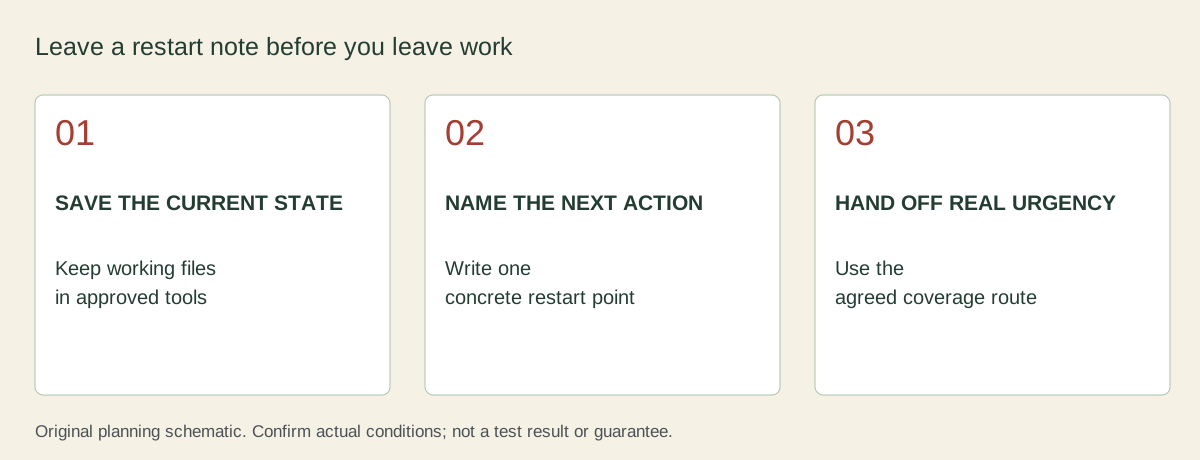
An end of day work checklist can be short: save the current work, write the next concrete action, check tomorrow's first commitment and hand over any genuine urgency through the agreed route. Then close the workday in a way that fits your responsibilities. The printable below is an organisation aid, not a treatment for anxiety, insomnia or burnout.
This is a daily shutdown routine, not a last-day-at-a-job checklist. It does not involve deleting files, forwarding work to a personal account or abandoning an agreed duty. Use your employer's security rules and coverage arrangements as the boundary for what you save, share and switch off.
Leave a restart point you can understand tomorrow
Write the file or task location and the smallest sensible next action. “Continue proposal” may be too vague after a night away. “Open the pricing draft and verify the three missing figures against the approved quote” gives the next session a practical starting point. Keep sensitive details in approved work systems rather than on a publicly shared planner.
If you recognise the unfinished-day feeling, try recording the unfinished item instead of turning it into another evening task. A note does not finish the work, but it can preserve the place where you stopped. This is a suggestion to try, not a promise that you will stop thinking about work.
Use a five-part closing check
| Check | A usable note | Boundary |
|---|---|---|
| Save | Current file and version are in the approved place | Follow security and retention rules |
| Next action | One specific step for the next work session | Do not turn it into a complete new project plan |
| Tomorrow | First real commitment and preparation needed | Check the actual calendar |
| Handover | Owner, status and next check for urgent work | Use the agreed coverage route |
| Close | What can be closed or muted after the shift | Keep required on-call access available |
The fields are original suggestions. A person with customer coverage, clinical responsibilities or an on-call role needs a different closing boundary from someone whose shift has ended completely. Ask the responsible manager when the coverage expectation is unclear. A general checklist cannot decide that for a workplace.
Try a fictional restart note
Imagine a non-urgent report is incomplete at the end of a normal office day. A useful note could read: “Draft saved in the team folder. Tomorrow, check the missing supplier figure before sending. No customer deadline tonight.” This is a fictional example, not advice to leave an actual contractual or safety obligation unattended.
If a colleague needs to continue the work, add the owner, remaining question and agreed follow-up time in the shared system. Avoid writing “someone will handle it” without a named arrangement. Distinguish your own next action from the task you have actually handed over.
Have a smaller version for a difficult day
When time is tight, keep the save and restart note, plus any required handover. You can skip organising the entire desk. Do not let a long shutdown ritual become another reason to work late. If the workload repeatedly prevents a basic handover, raise the actual workload or staffing question through the appropriate channel.
Use the first-workday preparation note when you want to reduce avoidable decisions before the next session. Prepare a practical item you need, then stop adding tasks. A new evening routine is optional; it should not become another standard you judge yourself against.
Print the closing and restart sheet
Open the end-of-day work sheet. It separates unfinished work, the next action, tomorrow's first commitment and a genuine handover. You can type into blank cells and print or save a PDF. The browser does not keep entries after reload and the page does not send them anywhere.
Date / work session:
Current work saved in approved location:
One unfinished item:
First concrete action next session:
Tomorrow's first commitment:
Urgent handover / named owner / agreed check:
Work channels that must remain available:
Optional closing action:
Try the sheet for a few ordinary workdays and keep only the fields you use. If there is an urgent health or safety concern, use the appropriate professional or emergency support rather than relying on a planning routine. A checklist can organise a transition; it cannot guarantee rest, diagnose a problem or replace help you need.